


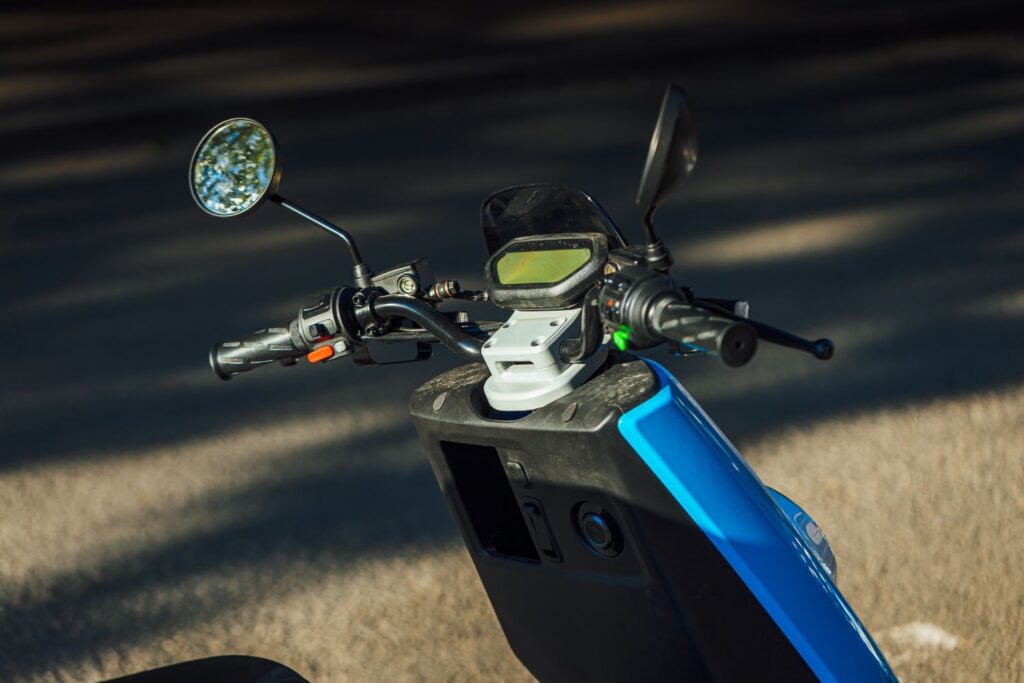
As the world faces mounting pressure to reduce greenhouse gas emissions, the transportation sector has come under intense scrutiny. Among the various alternatives to traditional fossil-fuel-powered vehicles, electric motorcycles have emerged as a practical, accessible, and sustainable solution. With rising fuel costs, growing environmental awareness, and advancements in battery technology, these two-wheeled machines are rapidly becoming a key player in the transition to a cleaner future.
Lowering Carbon Emissions One Ride at a Time
Electric motorcycles produce zero tailpipe emissions, making them a powerful weapon in the fight against urban air pollution. Unlike their gasoline counterparts, they do not release harmful pollutants such as carbon monoxide, nitrogen oxides, or hydrocarbons. This significant reduction in airborne toxins contributes to cleaner city air and lowers the overall carbon footprint of urban transportation networks. In countries struggling with smog and traffic congestion, the impact can be especially transformative.
Energy Efficiency and Resource Conservation
Electric motorcycles are far more energy-efficient than internal combustion engine (ICE) vehicles. They convert over 90% of electrical energy into movement, compared to about 30% for traditional engines. This not only saves on energy consumption but also reduces reliance on finite resources such as oil. As renewable energy becomes more widespread, the environmental benefit of electric motorcycles increases, making them an even greener option for everyday transportation.
Reducing Noise Pollution in Cities
Noise pollution is often overlooked in conversations about sustainability, yet it plays a crucial role in quality of life. Electric motorcycles operate almost silently, especially at lower speeds, contributing to quieter neighborhoods and reducing stress levels for both residents and commuters. The soft hum of an electric motor offers a stark contrast to the loud roar of traditional engines, signaling a calmer, more pleasant urban environment.
Supporting Urban Mobility Solutions
In densely populated cities, electric motorcycles offer a compact and flexible alternative to cars. Their smaller footprint helps ease traffic congestion and requires less space for parking. They also integrate well with modern mobility services like ridesharing and last-mile delivery systems, particularly when paired with smart technology and GPS routing. This makes them not just eco-friendly, but also a highly efficient component of a smarter urban transportation ecosystem.
Encouraging Innovation and Infrastructure Growth
The rising popularity of electric motorcycles is accelerating investment in green infrastructure. Charging stations are becoming more common, and battery-swapping networks are beginning to take hold in several regions. Manufacturers are innovating rapidly, introducing models with longer ranges, faster charging capabilities, and even solar-powered features. This momentum is helping to build a broader ecosystem that supports electrification across multiple forms of transport.
A Road to a Cleaner, More Sustainable Tomorrow
Electric motorcycles are more than just a trend—they are a crucial part of a larger environmental shift. By replacing fuel-powered vehicles with cleaner, quieter, and more efficient alternatives, cities and individuals alike can make a measurable impact on emissions, resource use, and quality of life. As technology continues to advance and infrastructure expands, these vehicles are poised to become a driving force in the movement toward a greener future.